
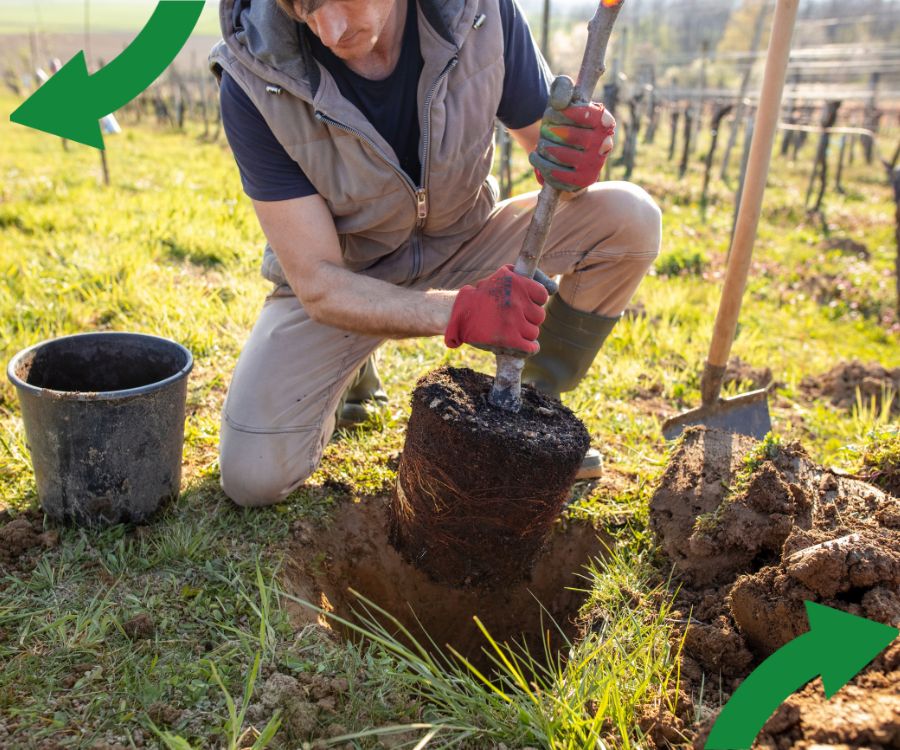
What is Biodiversity Net Gain and why is it important?
You might have seen or heard the term Biodiversity Net Gain (BNG) being used lately, but what actually is it?
Put simply, BNG is about making sure that when we build new things, such as homes, roads, schools and other infrastructure, we don’t destroy nature in the process. The aim is to leave the natural environment better than it was before. So, if development takes nature away in one spot, BNG means putting more nature back somewhere else, with a little extra on top.
In the UK, BNG is now a legal requirement for most developments. Developers must measure the existing habitat onsite, protect what they can and ensure that whatever happens results in at least a 10% improvement in biodiversity overall. That improvement may be delivered onsite or, if that’s not possible, on nearby land. BNG sites must then be managed and monitored for at least 30 years to make sure those gains are actually achieved.
Why does this matter?
The UK has lost a significant amount of wildlife and green space over the years, not only through development but also through broader land use change. The UK now ranks last among G7 nations for nature depletion. It sits in the bottom 10% of countries globally for biodiversity loss, with one in six species threatened with extinction and only 14% of natural habitats considered to be in “good” ecological condition.
Many species are struggling because their habitats continue to shrink. BNG was introduced as one way to help stop this decline, specifically in relation to new development and to contribute to the long-term recovery of nature.
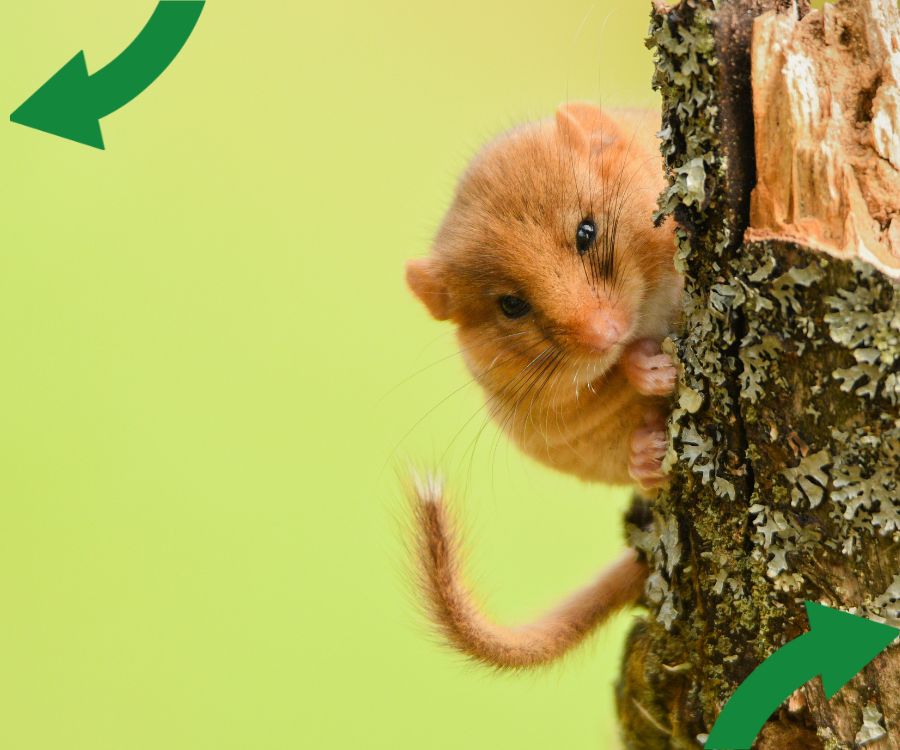
Top 3 things to know about Biodiversity Net Gain
1. It’s not just planting a few trees
BNG is more than a sprinkle of wildflower seeds or planting saplings. It uses “biodiversity units” to measure the value of habitats. Grassland, woodland, ponds and scrub each score differently depending on their size, condition and rarity. Developers need to increase that value, not just make the site look green.
2. Some habitats are irreplaceable
Certain environments, such as ancient woodland and long-established wetlands, are so valuable that they can’t simply be removed and recreated elsewhere. These habitats take centuries to develop, so under BNG rules, their loss is either prohibited or allowed only in exceptional circumstances.
3. BNG can make places nicer to live
When planned well, BNG can lead to greener neighbourhoods, richer parks, healthier ecosystems and more wildlife right on people’s doorsteps.
What are the challenges?
- Finding enough suitable land: Not every development site has space for meaningful habitat creation, and securing off-site land for long-term delivery can be difficult.
- Long-term management and monitoring: BNG isn’t “plant it and walk away.” Habitats need decades of proper care. If meadows aren’t managed well, wetlands silt up or trees die and aren’t replaced, the gains quickly disappear.
- Limited ecological data and baseline surveys: BNG depends on accurate habitat assessment before development starts. Poor or rushed surveys can undermine the entire calculation and lead to planning delays.
- Complexity of the metric: Nature is complex, and so is the BNG process. Developers, planners and landowners often find the metric technical and time-consuming without expert guidance.
- Timescales for habitat creation: Many habitats, meadows, woodlands, peatlands, wetlands, take years or even centuries to mature. Balancing ecological timescales with development schedules is a major challenge, and early-stage habitats don’t provide the same value as established ones.

Will it be successful?
Biodiversity Net Gain is a positive step for nature, if it’s done well. It encourages development that gives more back to the environment than it takes away, helping to protect and restore biodiversity in one of the world’s most nature-depleted countries. While there are real challenges, from finding the right land to managing habitats over decades, they’re not impossible to overcome. With good planning, solid data and long-term commitment, BNG can genuinely improve places for wildlife and for people.
What does BNG mean for businesses?
BNG mainly affects organisations working in the construction sector, because they are the ones directly responsible for meeting BNG requirements as part of the planning process. If you’re involved in building new facilities, expanding existing sites or redeveloping land, BNG will likely be something you need to factor into your project from the very beginning. As BNG is a statutory obligation, failure to meet it could delay or block planning approval.
Even if your business isn’t a developer, it still matters if you’re planning to extend your building or expand your operations as your project may fall under BNG requirements. In these cases, it’s important to speak to your developer, contractor or planning consultant early to confirm how they plan to meet the 10% biodiversity improvement and what it means for your project. You may also need ecological surveys or long term land management plans depending on the scale of your project.
If your organisation does want to take voluntary environmental action, for example rewilding some green space onsite or improving local biodiversity, that’s great, but it should be done through a different route. BNG has a very specific purpose in the planning system and shouldn’t be confused with wider corporate sustainability work.

Blog written by:
Lou Bent
Sustainability Consultant